Use & Care
Fur Product Care Guide

Fur Care Instructions
- Avoid Washing or Soaking: Never wash fur or immerse it in water, as this can damage the fibers and alter the fur’s luxurious texture.
- Do Not Dry-Clean: Regular dry cleaning methods can harm fur. Please refrain from taking your fur items to conventional dry cleaners; specialized cleaning is required.
- No Ironing: Do not use an iron on fur, as heat can cause irreversible damage, including flattening and burning of the fibers.
- Keep Away from Heat: Protect your fur from exposure to flames and extreme heat sources. High temperatures can lead to drying and damage, affecting the fur’s quality.
- Avoid Wearing in Wet Conditions: Refrain from wearing fur on rainy days. Water can stain or compromise the texture of the fur.
- Do Not Brush: Avoid brushing fur unless necessary. Brushing can disturb the natural lay of the fibers and may lead to damage.
- Prevent Direct Skin Contact: To maintain the cleanliness of collars and cuffs, minimize direct contact with skin. This helps keep your fur looking fresh and well-maintained.
- Limit Heavy Accessories: Avoid wearing bulky accessories on fur, as they can create unsightly indentations or distort the shape of the fibers.
- Dry If Damp: If your fur becomes slightly wet, let it dry naturally in a cool, well-ventilated area. Do not apply direct heat or use a blow dryer.
- No Insecticides: Steer clear of using insect sprays or mothballs on or near your fur products, as these chemicals can degrade the fibers and cause discoloration.
- Avoid Perfume Application: Do not spray perfume or cologne on your fur. The alcohol in these products can lead to drying and stiffening of the fibers.

Leather Product Care Guide
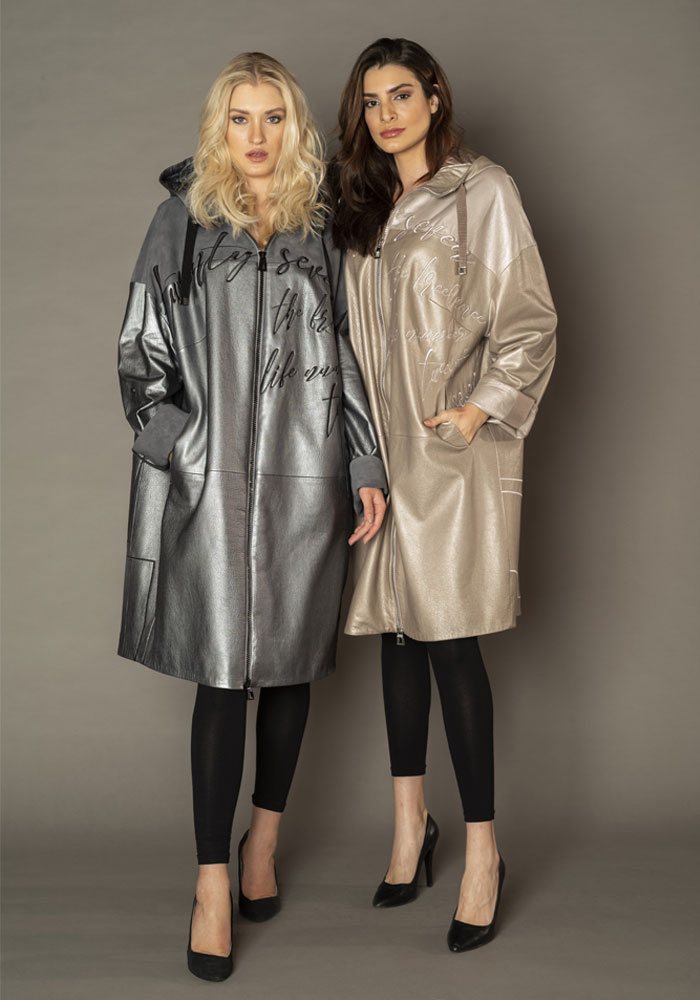
Leather Care Instructions
- Do Not Wash or Immerse in Water: Leather should never be soaked or washed, as water can damage the material, causing it to stiffen or lose its natural luster.
- Avoid Dry-Cleaning: Do not take your leather items to a regular dry cleaner. Leather requires special treatment, and improper cleaning can cause irreversible damage.
- Do Not Iron Leather: Heat is damaging to leather. Never use an iron on leather products, as this can cause cracking, burning, or distortion of the material.
- Keep Away from Heat Sources: Avoid placing leather near fires, radiators, or excessively hot places. Prolonged exposure to heat can dry out and weaken the leather, causing it to become brittle.
- Avoid Wearing in Rain: Leather and water don’t mix well. If possible, avoid wearing your leather items in rainy or humid conditions, as moisture can leave stains or cause the leather to warp.
- Avoid Heavy Accessories: Do not place heavy objects or accessories on leather products, as they can leave permanent indentations or stretch the material.
- Dry in Cool, Ventilated Areas: If your leather gets slightly wet, allow it to dry naturally in a cool, well-ventilated area. Never use a hairdryer or place it near direct heat to speed up the drying process.
- Avoid Direct Skin Contact: To prevent oils and sweat from transferring onto leather collars or cuffs, avoid direct contact with the skin. This helps keep your leather clean and fresh for longer.
Avoid Chemicals
- No Insecticides or Mothballs: Do not use insecticides or mothballs on or near your leather products. These chemicals can weaken the leather fibers and cause discoloration.
- No Perfume or Cologne: Avoid spraying perfumes, colognes, or any alcohol-based products directly on leather. Alcohol can cause the leather to dry out and stiffen over time.

Wool Product Care Guide

Wool Care Instructions
- Avoid Washing or Immersing: Never wash or soak wool in water, as this can lead to shrinkage and damage the fibers. Wool is naturally resilient, and frequent washing is unnecessary.
- Do Not Dry-Clean: Traditional dry cleaning methods can be harsh on wool. We advise against taking your wool products to regular dry cleaners; specialized cleaning is recommended for best results.
- No Ironing: Avoid using an iron on wool, as heat can cause the fibers to become damaged or lose their shape. If needed, use a garment steamer on a low setting to remove wrinkles.
- Keep Away from Heat Sources: Protect your wool items from extreme heat and flames. Exposure to high temperatures can dry out the fibers and alter their natural qualities.
- Limit Use in Rainy Weather: Avoid wearing wool in wet conditions. Moisture can affect the texture and appearance of the fabric, so it’s best to keep wool dry.
- Do Not Brush: Brushing wool can disrupt the fibers and lead to wear over time. Instead, gently shake or air out your wool products to maintain their shape and appearance.
- Minimize Direct Skin Contact: To keep collars and cuffs clean, avoid direct contact with the skin. This practice helps maintain the freshness of your wool items.
- Avoid Heavy Accessories: Refrain from placing heavy items or accessories on wool products, as they can leave lasting impressions or distort the fabric.
- Dry Gently if Damp: If your wool becomes slightly wet, allow it to dry naturally in a cool, airy space. Never use heat sources or tumble dryers, as these can cause damage.
- No Chemicals: Avoid using insecticides or mothballs near your wool products, as these chemicals can harm the fibers and lead to discoloration.
- Steer Clear of Perfumes: Do not spray perfumes or colognes directly on your wool. The alcohol in these products can dry out the fibers, affecting their texture.

Cashmere Product Care Guide

Cashmere Care Instructions
- Avoid Washing or Soaking: Cashmere is a delicate material that should never be washed or immersed in water. Doing so can compromise its luxurious texture and lead to shrinkage.
- Yes to Dry Cleaning: Cashmere can be safely dry cleaned. For best results, choose a cleaner experienced in handling fine cashmere to preserve its quality and softness.
- Do Not Iron: Heat can harm cashmere. Avoid ironing altogether; if necessary, use a fabric steamer or place a cloth barrier between the iron and your cashmere on the lowest setting to gently smooth out wrinkles.
- Keep Away from Heat Sources: Protect your cashmere from flames and excessive heat. High temperatures can cause the fibers to dry out, losing their signature softness.
- Avoid Wet Weather: Cashmere is best kept dry, so refrain from wearing it in the rain or damp conditions. Water can stain and ruin its plush feel.
- Limit Brushing: Brushing cashmere can disrupt its delicate fibers and lead to pilling. Instead, gently shake out your cashmere items to maintain their shape and texture.
- Prevent Direct Skin Contact: To keep collars and cuffs looking pristine, minimize direct contact with the skin. This helps preserve the cleanliness and longevity of your cashmere.
- Avoid Heavy Accessories: Refrain from wearing bulky accessories that may weigh down or distort the fabric. Light and airy is the way to go for cashmere.
- Dry Carefully if Wet: If your cashmere gets slightly damp, let it air dry in a cool, shaded area. Never use a hairdryer or place it near direct heat to hasten the drying process.
- Keep Chemicals Away: Do not use insecticides or mothballs near your cashmere. These chemicals can degrade the fibers and lead to discoloration.
- No Fragrance Sprays: Avoid spraying perfume or cologne directly on cashmere. The alcohol content can dry out the fibers, affecting their luxurious texture.